Mahabodhi Temple: history and significance
At Mahabodhi, the story of a building meets the Buddhist account of awakening. Understanding that distinction makes a visit more than a photograph of its tower.
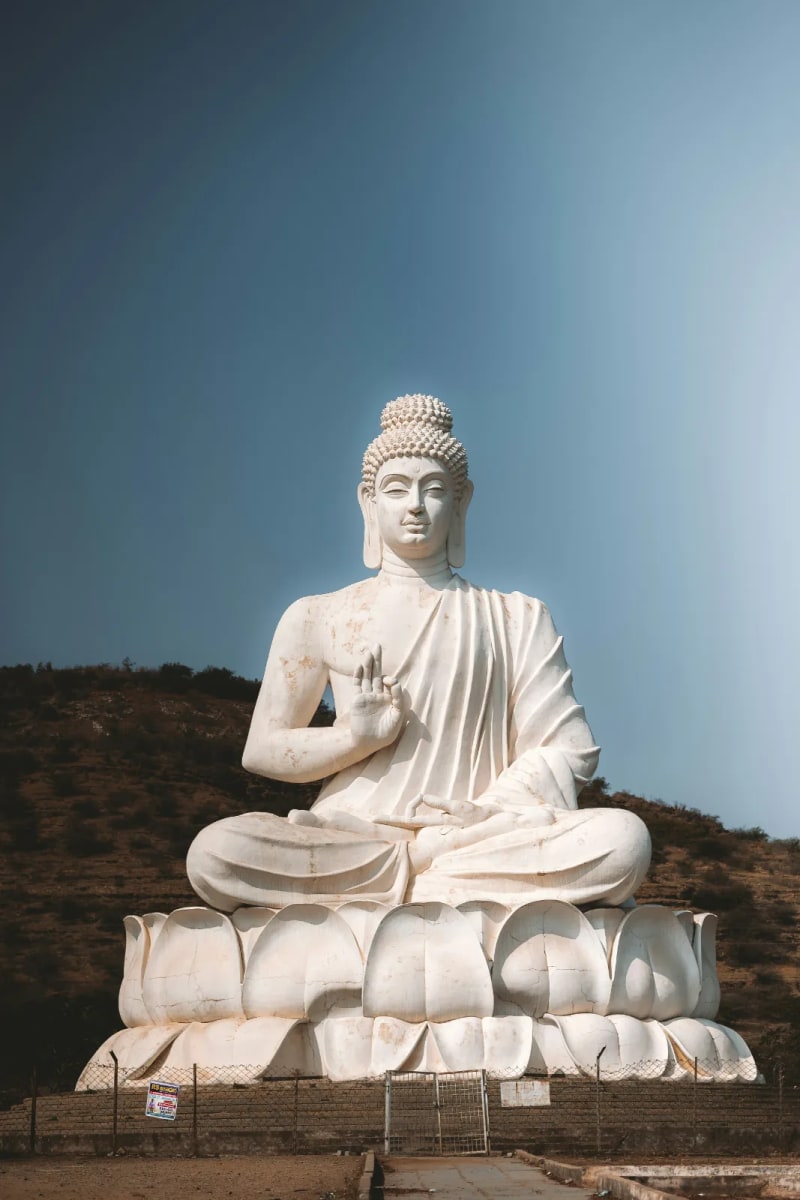
History & significance
Documented history
UNESCO dates the first temple here to Emperor Ashoka in the third century BCE. The principal surviving temple belongs to the fifth or sixth century CE, rather than to a single unchanged building from the Buddha's lifetime. Later repairs and nineteenth-century restoration also form part of its history. The complex entered the World Heritage List in 2002.
- Third century BCE: Ashoka's early temple.
- Fifth-sixth century CE: principal surviving temple.
- 2002: World Heritage inscription.
Belief & living tradition
Buddhist tradition identifies Bodh Gaya as the place of the Buddha's enlightenment. The Bodhi Tree and nearby sacred places connect pilgrims with that account; the present tree is associated with the lineage of the original tree, not described here as the same individual tree.
What to notice when you visit
- Look at the brick tower and the smaller shrines around it.
- Notice the Vajrasana near the Bodhi Tree and the votive stupas in the complex.
Sources & editorial review
Source review recorded: 2026-10-25. Visitor rules and access may change.